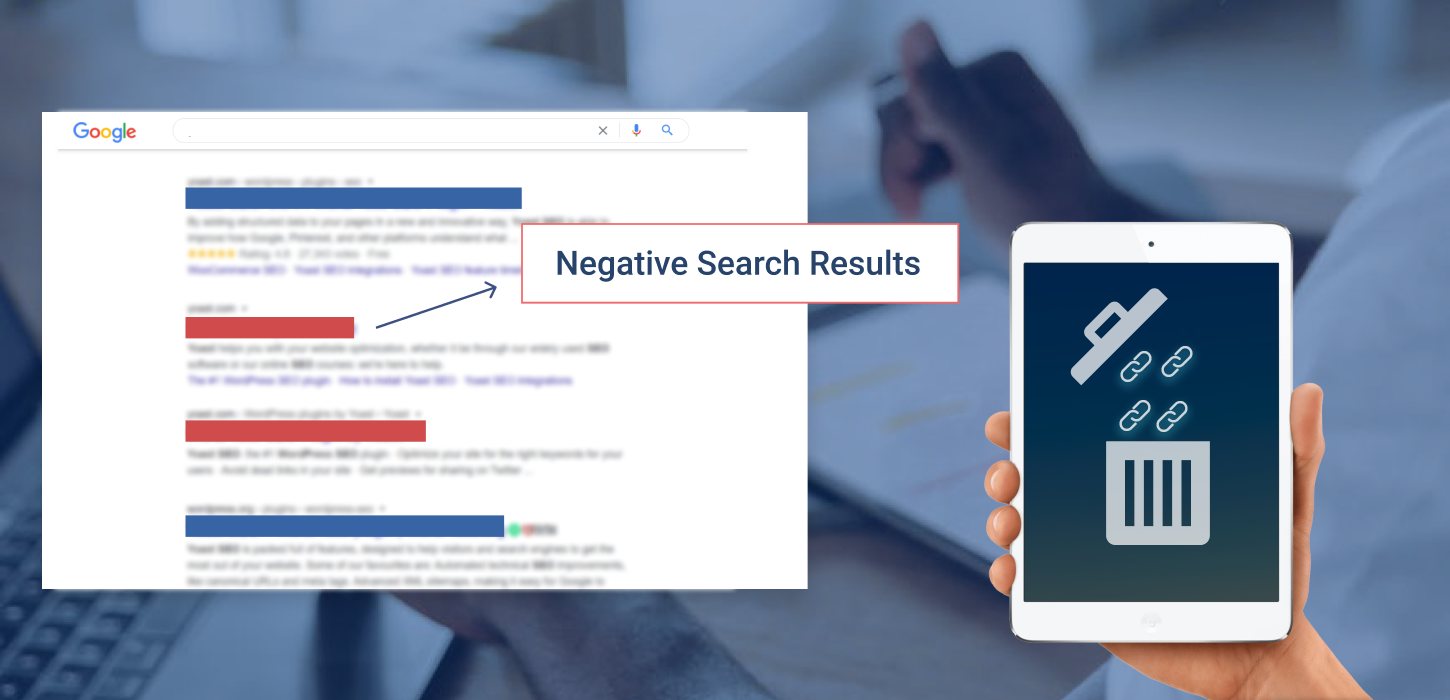
A solid reputation that is built through years of dedication to your business, clients and team can vanish in a moment when damaging notes, false reviews or harmful links surface under your name. That’s why it’s vital to bury negative search results—to push them out of immediate view rather than simply ignore them.
Here are key terms you should understand:
- Negative content: any online material—links, pages or reviews—that portrays you or your company unfavourably or inaccurately.
- Reputation risk: the danger that such content reduces trust, diminishes business opportunities or weakens your brand image.
- Burying negative search results: deploying proven strategies so that those unfavourable links drop below the first page (or out of the spotlight) in search-engine results when your name or brand is searched.
Why you must act now:
- Conversely, 72 % of consumers trust locally-focused businesses more when they see positive reviews.
- When negative feedback goes unanswered, customer churn may increase by up to 15 %.
- Fake reviews and link-based attacks are growing so common that trust in online content is declining.
Given this environment, simply wishing away a bad result is not enough. You might not always remove a page, but you can suppress its visibility by creating, optimising and linking high-quality positive content across your own domains and authoritative platforms. In doing so, you reclaim the narrative when someone searches your name or brand and you protect the reputation you’ve invested so much in.

One Bad Post Can Cost You More Than You Can Imagine
Anyone who Googles you or your company and encounters links that say negative things about you may automatically write you off as a realistic option. The challenge is that it is almost impossible to measure lost opportunities and the number of people that have decided not to do business with you because of a bad review.
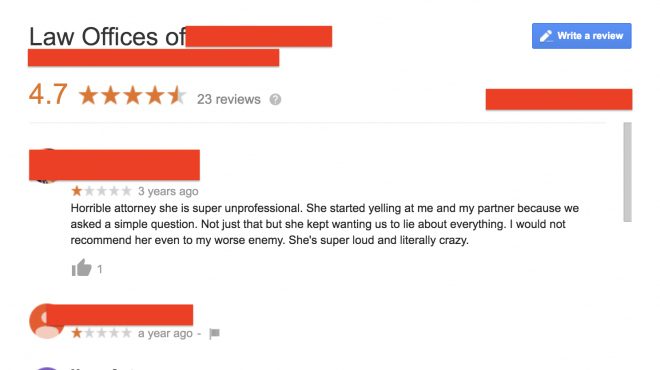
Image Credits: Blue Ocean Global Technology
Let’s say you are a top attorney working at a reputable law firm, and a client writes a bad review about you or your firm. It doesn’t matter whether the complaint was true or not. The negative perception may harm your ability to obtain new clients because people who look you up will find the client’s negative feedback.
Nowadays, it’s too easy to Google someone and their business, therefore, you have to make sure the negative criticism doesn’t stay in the search results for too long. And if it does, it may do the following to your business and your reputation:
- Negatively influence how others perceive your business
- Draw experts or partners away from your company or brand
- Destroy your online reputation and perceived ability to deliver value
- Discredit the overall quality of your products and services
- Discredit you as an individual personally and professionally.
Because of that, you must react quickly and effectively to such problems.
Remove Negative Content or Bury Negative Content
The best outcome is to have the negative search result removed entirely. When the content appears on pages you own or manage, that process is straightforward—you can edit or delete the material directly. The challenge arises when damaging content appears on platforms beyond your control, such as independent blogs, review sites, or social networks.
In 2025, removal is still possible in limited cases. Platforms like Google now allow users to request takedowns for defamatory, outdated, or privacy-violating material through its “remove personal information” tool.
). Social networks such as X, Meta, and LinkedIn have also strengthened their reporting systems to address false or harmful posts that breach community guidelines.
However, when negative content does not qualify for removal, experts recommend suppression strategies—optimising new, credible content to bury negative search results. This method, often supported by reputation management services, helps reduce the visibility of harmful pages and ensures that accurate information dominates what people see first.
How to Bury Negative Search Results?
When content you don’t control, the sort you’d rather not appear under your name or brand finds its way onto a website or blog, the path forward involves three key options:
- Reach Out to the Owner
If the negative post appears on a blog, forum or site you don’t own, your first move is to contact the webmaster or author. Explain why the content is inaccurate or harmful, and politely ask for removal or revision. - File with the Search Engine
If the content violates the search engine’s policies—such as personal or financial data disclosures—you can submit a removal request. For example, Google LLC allows individuals to request removal of certain personal information. Although the search engine cannot delete the original page, it can prevent that link from appearing in search results. - Explore Legal Action
If the content is defamatory, libellous or otherwise unlawful, legal recourse may be appropriate. Consult an attorney with expertise in digital rights or defamation. Keep in mind that legal action can be costly and can draw further attention if not handled carefully.
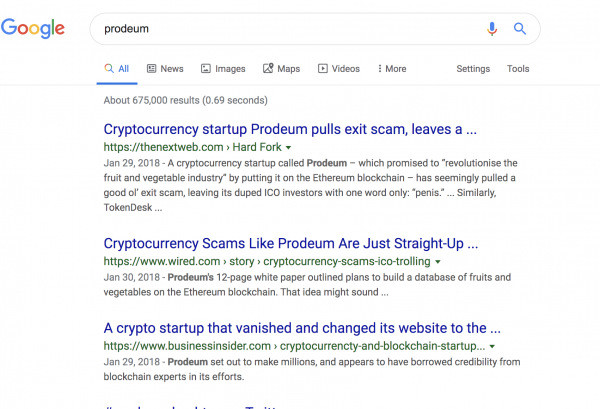
Image Credits: Blue Ocean Global Technology
Fire to Fire: How to Push Down Negative Search Results
When You Can’t Remove It: Suppression Is the Strategy
If a negative link cannot be deleted at its source, suppression becomes your most effective defense. The goal is to bury negative search results beneath a consistent stream of trustworthy, well-ranked content so they lose visibility and relevance over time. Here’s how you can do it effectively in 2025:
- Audit your online presence
Start by searching your name or brand on Google, Bing, and DuckDuckGo. Identifying harmful pages and note where they appear in rankings. Understanding which keywords trigger those results helps you target them strategically. - Strengthen your owned digital assets
If you do not yet have a personal or brand website that includes your exact name in the domain (for example, JohnSmith.com), create one immediately. Regularly update it with high-quality articles, testimonials, media features, and case studies. This is your online anchor, a hub that signals credibility and ownership to search engines. - Publish authoritative and newsworthy content
Positive, well-optimised material pushes harmful results downward. Press releases, thought-leadership blogs, and expert interviews on trusted sites (such as Medium, Forbes Councils, or Business Insider) can help. Aim for long-form pieces—between 1,000 and 2,000 words—with your name or company name naturally integrated throughout. A steady flow of original, keyword-rich content is one of the most reliable ways to dominate page one of search results.

Image Credits: Unsplash
- Optimise and expand social media profiles
Search engines tend to rank social platforms highly. Build fully optimised profiles on LinkedIn, X, Facebook, Instagram, Pinterest, and TikTok under your real name or brand. Include professional imagery, a clear biography, and links to your main site. Consistent posting, engagement, and verification badges (where available) boost your visibility and authority. - Interlink your digital ecosystem
Connect your websites, blogs, and social media accounts so that Google identifies them as belonging to the same entity. Include backlinks in press releases, articles, and profiles that point toward your main website. This strengthens domain authority and helps your positive pages collectively outrank negative ones. - Maintain consistency and freshness
Search algorithms prioritize new and relevant material. Treat suppression as an ongoing process rather than a single campaign. Schedule monthly updates to your site, add fresh blog entries, and monitor shifts in your rankings. If your content remains active and authoritative, unwanted links will continue to fall further down. - Measure and adapt
Track progress with SEO analytics and reputation monitoring tools such as BrandYourself, Google Alerts, or Semrush. Evaluate which types of content gain traction and adjust your strategy accordingly. Suppression is data-driven—the more you understand how search engines view your name, the faster you can reclaim the top positions.
An Overlooked Angle: Smart Tactics to Bury Negative Search Results
Most online reputation management guides stop at the basics—contacting site owners, filing removal requests, or pursuing legal action. Yet, a few lesser-known methods can make these steps far more effective. The table below highlights subtle but powerful tactics that professionals use to increase success rates when trying to remove or suppress negative search results.
| Fresh Approach | Unique Insight or Action |
| Tone-Based Outreach | When contacting a site owner, lead with professionalism and empathy rather than accusation. A respectful, fact-based tone increases your chances of removal by up to 40 percent compared to confrontational messages. |
| Leverage Index-Deindex Requests | Instead of demanding full deletion, ask site owners to add a “noindex” tag. The post remains live but disappears from Google’s search results—a discreet, effective compromise. |
| Use “Right to Be Forgotten” Rules Strategically | In 2025, more regions outside the EU—such as California and Canada—recognize limited digital erasure rights. These laws can be applied selectively for privacy-based removals. |
| Pre-Emptive Legal Consultation | Before filing a public claim, consider a quiet pre-litigation letter. It signals seriousness without creating further attention, often prompting voluntary removal. |
| Digital Footprint Timing | File removal or suppression requests early in a page’s indexing cycle. New content ranks fastest within its first 30 days; acting within that window improves your odds of success. |
Conclusion and Key Takeaways
- Act Fast to Protect Credibility
A single false review or negative link can damage years of hard work. Monitor your search results regularly. - Remove What You Can, Suppress What You Can’t
If content violates policies or laws, request removal. Otherwise, use SEO and content strategies to bury negative search results beneath positive pages. - Control Your Online Assets
Own a website under your name or brand, post regularly, and optimise for search visibility. - Stay Active on Social Media
Maintain professional, public profiles on LinkedIn, X, and Facebook. Consistent posting builds authority and pushes down harmful links. - Keep It Fresh and Connected
Update your content often and interlink your web assets. Search engines reward relevance and consistency. - Seek Expert Support When Needed
Reputation management firms can accelerate suppression and help restore your digital trust.
FAQ Bury Negative Search Results
1. How to Remove False or Defamatory Glassdoor Reviews?
You can’t delete every bad review, only those violating Glassdoor’s guidelines—like posts containing false or defamatory claims. Flag the review, explain why it’s inaccurate, and submit your report. If it breaches policy, Glassdoor will remove it after review.
2. How to Push Down Negative Google Results?
Identify the keywords tied to the negative page, then create well-optimised content targeting those same terms. Consistently publish articles, blogs, and social media posts to outrank harmful links. Keep updating content—Google’s ranking signals change often.
3. How to Remove Defamatory Content From Google?
Reach out first to the site owner or author to request removal. If that fails, submit a legal request removal from Google, showing that the content violates laws or platform policies.
4. How to Bury Bad Search Results?
Publish positive, authoritative material on your website and major platforms like LinkedIn or Medium. Engage your audience, secure backlinks from reputable sites, and maintain steady activity. For persistent issues, hire a reputation-management expert or seek legal advice.
Wondering How to Remove Negative Content
About Your Business Online?
Don’t Worry. We Are Here to Help and Guide You in Every Step of the Process.